The Present
Your current state of mind and the central issue at hand. This card sets the stage for the entire reading.
The most classic tarot spread—ten cards for a full reading of your present, inner conflicts, subconscious influences, and future path.
Celtic Cross is a Plus spread.
If you've spent any time with tarot, you've probably seen this one. Ten cards arranged in a cross with a vertical line beside it. It looks complicated at first—and honestly, it can be—but that's also what makes it useful.
The Celtic Cross doesn't give you a quick answer. It shows you the mess: what's happening now, what got you here, what you're afraid of, what you're hoping for. Sometimes that's exactly what you need—not a simple yes or no, but a way to see the whole picture.
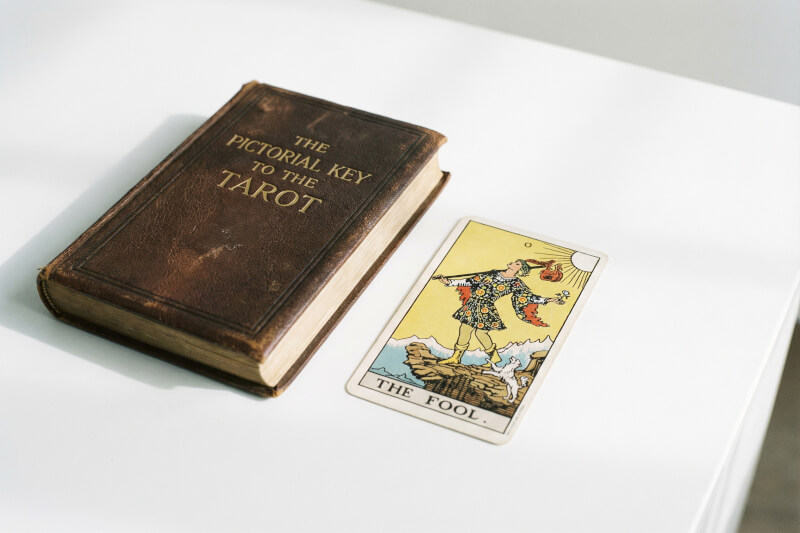
Despite its name, the Celtic Cross spread has no direct connection to ancient Celtic traditions. Arthur Edward Waite, a member of the Hermetic Order of the Golden Dawn, popularized this layout in his 1910 book 'The Pictorial Key to the Tarot.' He designed it alongside the iconic Rider-Waite-Smith deck.
Waite's version drew from earlier esoteric practices and adapted them into a structured reading method. Over the past century, readers have developed countless variations, but the core framework—a cross overlaid with a staff—remains the standard.
Understanding each position is essential for accurate interpretation. The spread divides into two parts: the Cross (positions 1-6) examines your current reality, while the Staff (positions 7-10) reveals the trajectory toward resolution.
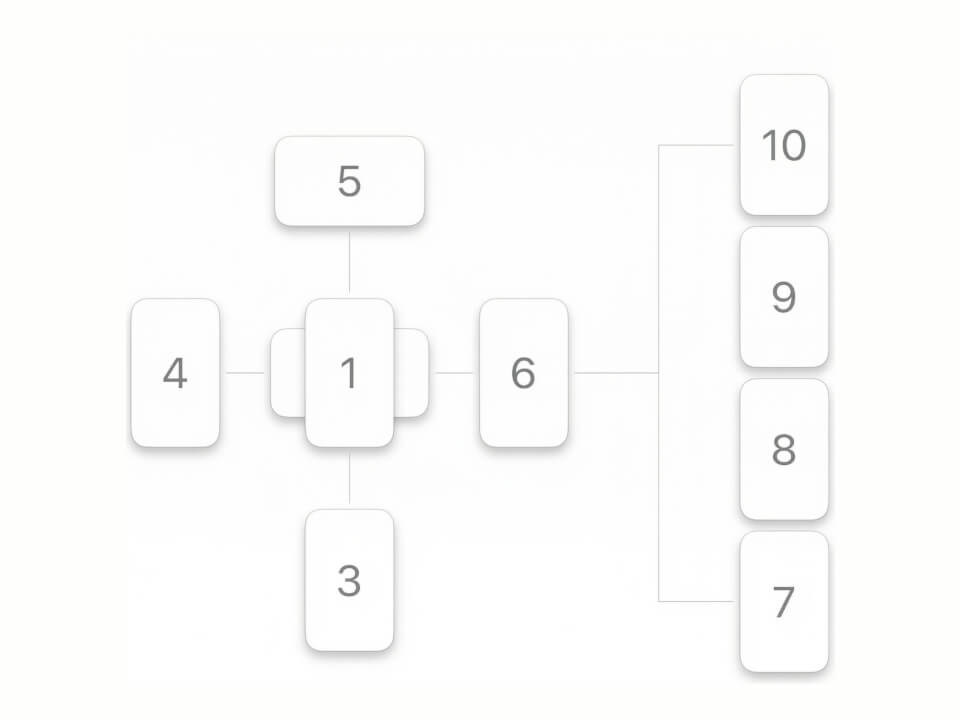
Your current state of mind and the central issue at hand. This card sets the stage for the entire reading.
Placed across the first card, this represents the immediate obstacle or opposing force. It's not necessarily negative—sometimes challenges push growth.
The subconscious basis of the situation. Past experiences, hidden motivations, or underlying beliefs that shaped the current circumstances.
Events or influences that are fading but still affecting the present. What you're moving away from.
Your conscious goal or the best possible outcome you're aware of. What you're trying to achieve.
What's approaching in the short term. This isn't the final outcome—it's the next phase of development.
How you see yourself in this situation. Your attitude, self-perception, and the role you believe you're playing.
People, environments, or circumstances affecting your situation from outside. Forces beyond your direct control.
What you most desire or dread about the outcome. Often these two extremes are closely linked.
The likely resolution if current energies continue unchanged. Not a fixed fate—it shows where the path leads if nothing shifts.
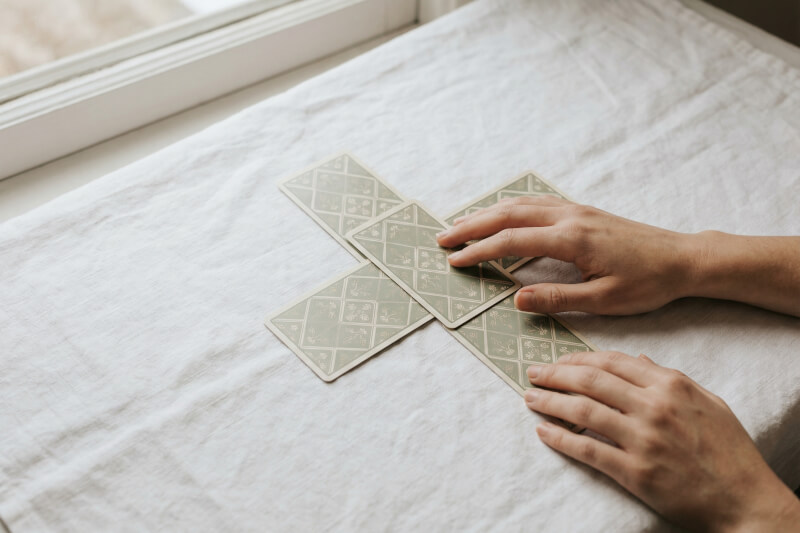
Read positions 1 and 2 together—they form the heart of your question. The crossing card modifies the central card, showing what's helping or hindering. Then move to positions 3-6 for context.
Look for patterns between cards. Do multiple cards share the same suit? Are there repeated numbers? Court cards often represent people in your situation.
The staff (positions 7-10) builds upward. Start at the bottom with your internal state, move through external factors and emotional responses, and arrive at the projected outcome.
A good Celtic Cross reading isn't about memorizing 10 separate meanings—it's about weaving them into a coherent narrative that addresses your question.
This spread works best for:
Vague questions lead to vague answers. Instead of 'What about my love life?' try 'What do I need to understand about my current relationship dynamics?'
Reversed cards can indicate blocked energy, internal rather than external expression, or areas needing attention. Develop a consistent approach.
A positive card in the outcome position means less if the approach card shows self-sabotage. Cards don't exist in isolation.
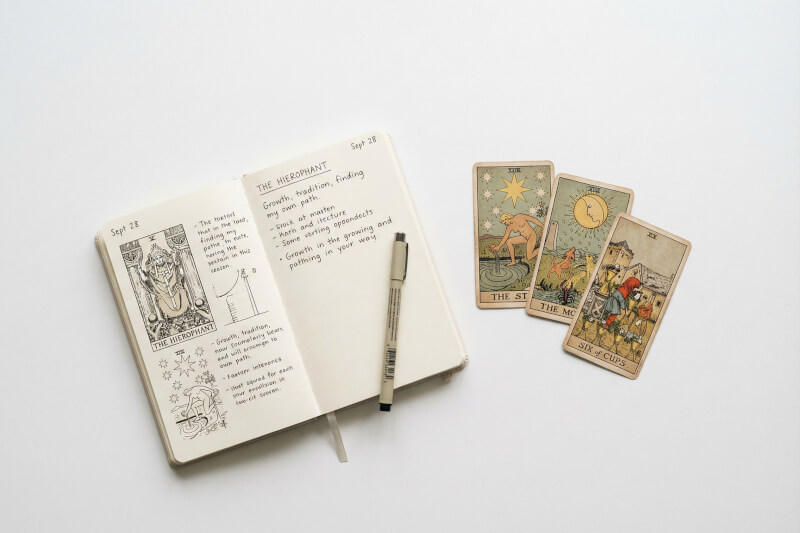
Recording your Celtic Cross readings over time reveals patterns in your life and helps you track how situations evolved compared to what the cards suggested.
A thorough interpretation typically takes 20-30 minutes. Rushing through the positions defeats the purpose of this comprehensive spread.
Yes, though it helps to be familiar with basic card meanings first. Start with simpler 3-card spreads, then graduate to the Celtic Cross when you're comfortable.
Remember: the outcome shows where things are heading if nothing changes. Use the other cards—especially positions 7-9—to identify what shifts could alter the trajectory.
Use the full 78 cards. Minor Arcana provide crucial detail about everyday situations, while Court Cards often represent specific people or personality aspects.
For the same question, wait at least a few weeks. For general life check-ins, monthly readings work well. Doing this spread too frequently on the same topic creates confusion.
The Celtic Cross remains the gold standard of tarot spreads for good reason: it balances depth with structure, giving you a complete view without overwhelming complexity. Whether you're reading for yourself or others, mastering this layout opens the door to genuinely insightful tarot practice.

Gain insight into the year ahead. A yearly tarot reading offers a long-term perspective to help you plan, seize opportunities, and meet challenges.
View Yearly Tarot Fortune →
One theme card and twelve monthly cards for the next twelve months from today — no birth date required.
Draw three cards for guidance across the early, middle, and late parts of the month.
Explore today's tarot guidance and the path of your destiny. One card a day to illuminate life's mysteries.
Quick readings and tools for different moments
Get a free AI tarot card reading online. Pick your spread, pull your cards, and see what comes up.
Start your free tarot reading